
Published by the Stowe Reporter, February 5, 2026. Original link here.
The Stowe Land Trust announced this week the conservation of three new properties across Stowe and Morristown in partnership with Downstreet Housing and Community Development, which added new year-round homes to two of the properties.
The project exemplifies the balance sought by the land trust between its conservation mission and the local demand for long-term housing, according to land trust director Tom Rogers.
The three properties account for over 350 acres of land in Stowe and Morristown and will produce 16 single-family homes that will be made available to those seeking a primary residence.
The three projects represent $7.5 million in real estate value, and the land trust still seeks to make up a quarter million of that cost through fundraising.
“Muddy Moose and Stagecoach Meadows demonstrate how conservation and housing can work together for the benefit of the community,” Rogers said in a press release. “These projects protect ecologically important land and bring housing for year-round residents onto the market without a significant new development footprint on the landscape.”
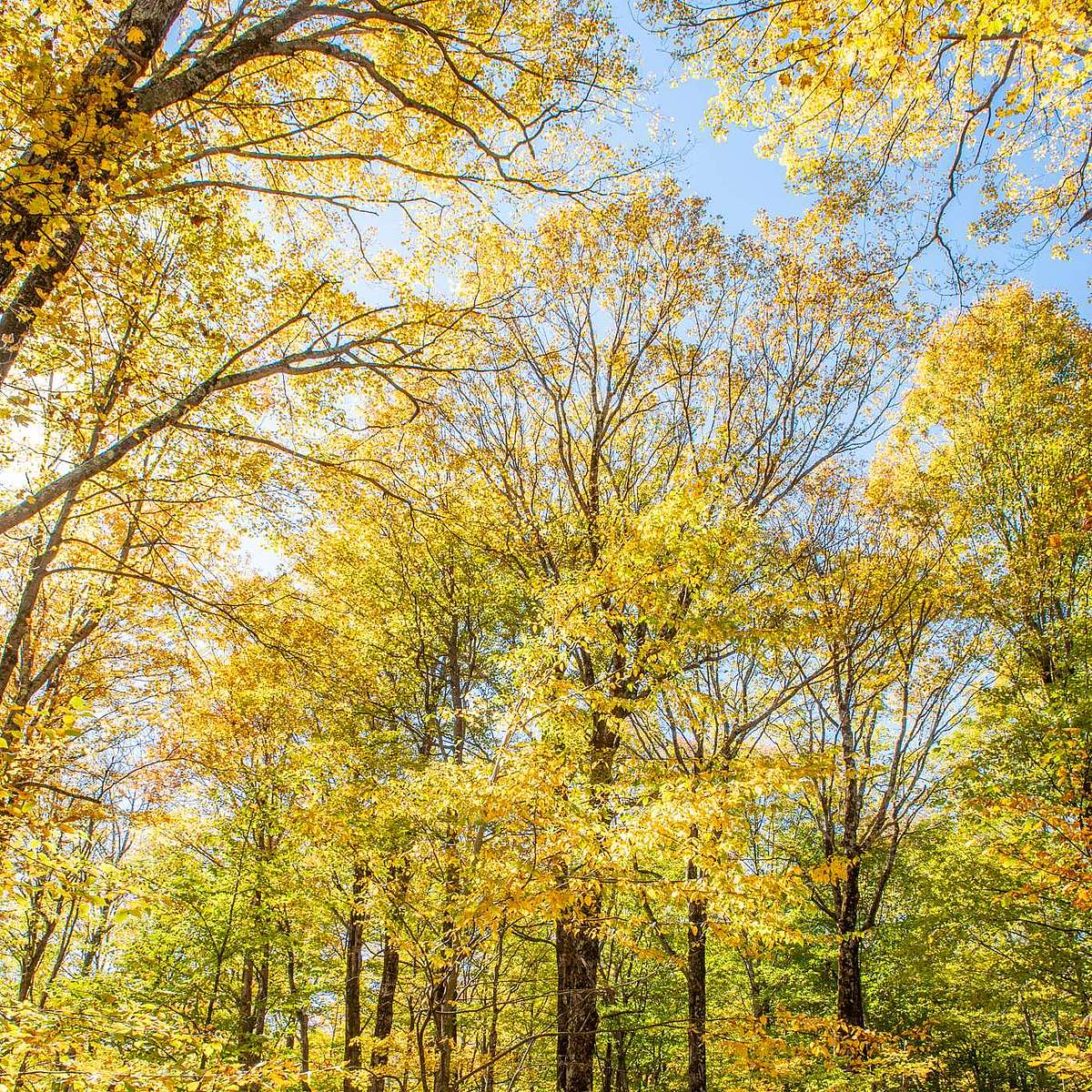
Muddy Moose in Morristown includes a 150-acre forest with a scenic gorge that already has established hiking and cross-country skiing.
“This is a visionary project for Lamoille County and a model for conservation and housing partnerships more broadly,” Angie Harbin, Downstreet director, said in the same press release. “We are adding much-needed affordable housing while ensuring that low- and middle-income homeowners have direct access to open space, trails and river frontage — amenities that are too often out of reach.”
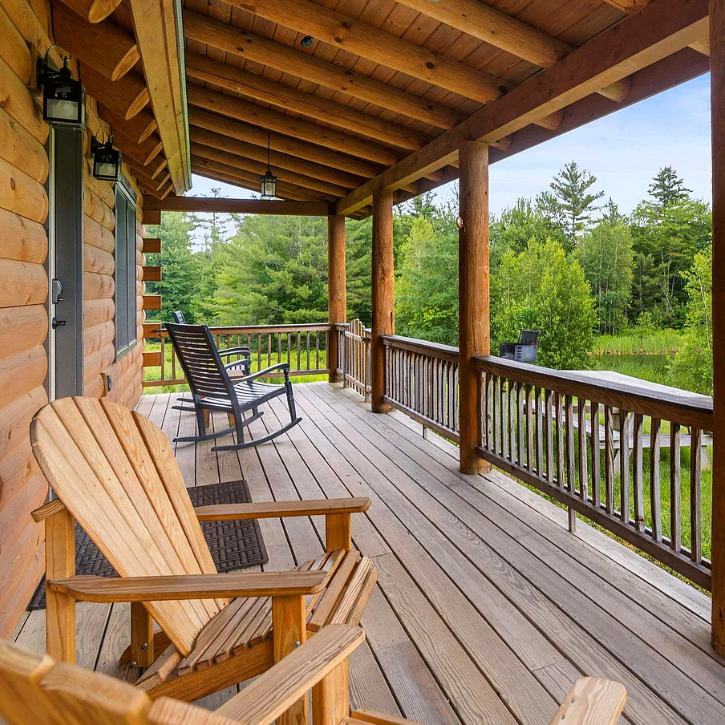
Muddy Moose in Morristown includes a 150-acre forest with a scenic gorge that already has established hiking and cross-country skiing, and eight existing vacation homes on the property will be remade from short-term rentals into permanent housing as part of the project. Six of those homes will be made permanently affordable through Downstreet’s shared equity housing program.
The 124 acres off Stagecoach Road known as Stagecoach Meadows is also being conserved. The former farmland boasts public access to the Catamount and snowmobile trails, and Downstreet will be replacing aging outbuildings on the property with eight more single-family homes for full-time residents.
The effort will also see another 74-acre parcel known as the North Hill Forest added to the Shutesville Hill Wildlife Corridor, a growing network of conserved land near crosses the Stowe and Waterbury town lines that allows wildlife to safely move between the Green Mountains and Worcester Range.
The Stowe Land Trust and Downstreet brought together the funding for this conservation effort from funding from the Vermont Community Foundation, the Vermont Housing and Conservation Board and private donors. The land trust is still looking to raise $250,000 for the Muddy Moose project by May 1.
Downstreet will be hosting an open house from 10 a.m. to 2 p.m. at 2930 Cote Hill Road for the Muddy Moose homes and applications will be opening for the shared equity homes and two market rate homes through February.
Accelerating conservation
Rogers said that, following the passage of Act 59 by the Vermont Legislature in 2023, which calls for 30% of Vermont land to be conserved by 2030 and 50% of it by 2050, the Stowe Land Trust has had to accelerate their conservation efforts.
“We were averaging about one land project every year before this, and now we’re actually going to close on three projects over four months,” he said.
Still, the land trust has been listening to the community conversation about the dire need for accessible housing in Stowe and hopes partnerships with Downstreet, which took over affordable housing development efforts in Lamoille County last year following its merger with Lamoille Housing Partnership, on two of the three announced properties will help them balance the state mandate for conservation while thoughtfully opening up more housing options in the area.
“It’s also a reflection on the pressure for development, and the fact that we really wanted to continue to protect the things that make this valley special and unique and biologically diverse, and all of the things that we love about it,” Rogers said. “With so much accelerating in this community over the last five to 10 years, the land trust really needed to kind of accelerate the pace of our work, in order to keep up with that.”
For those concerned that the land trust is too eagerly diving into the housing development business, Rogers pledged that his nonprofit’s mission has not changed since it was formed in the late 1980s around the town’s acquisition and the land trust’s conservation of the Mayo Farm parcel.
“Our mission as Stowe Land Trust is still a conservation mission, that we haven’t changed, despite the fact that we’re partnering on community housing. Our focus still is first and foremost, conserving forests, farms, wildlife corridors,” he said. “We’re not developing more places, we’re just converting current development into something else that better fits the needs of the community.”